

 Latest editorial
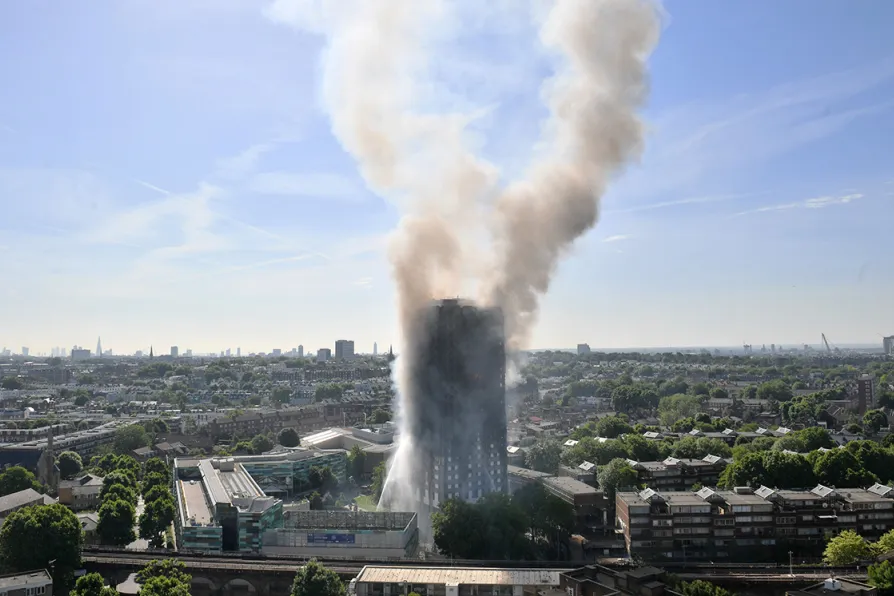 Smoke billowing from the fire that engulfed the 24-storey Grenfell Tower in west London
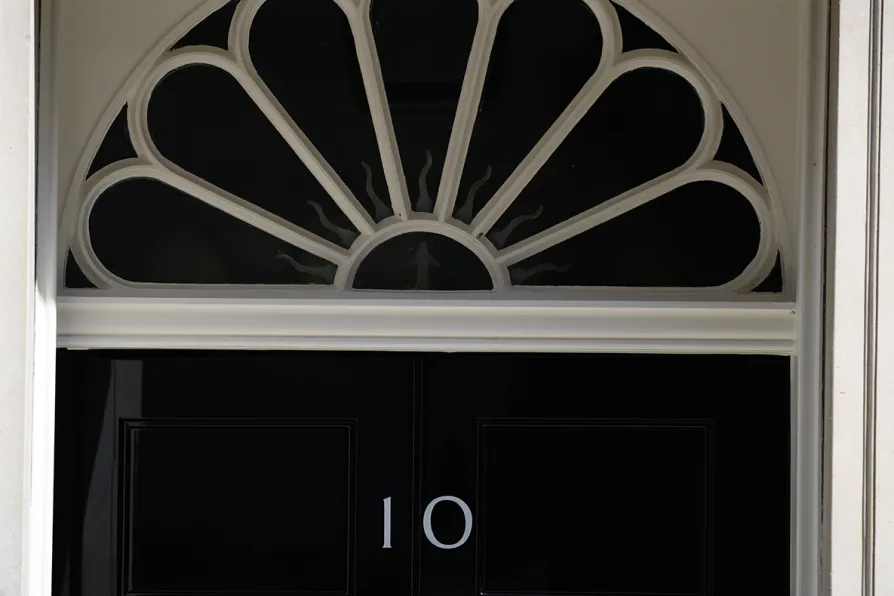


MORE than four years since the corporate manslaughter of 72 people in Grenfell Tower, the inquiry’s attention is finally turning to the political context.
The “unbridled passion for deregulation” cited at yesterday’s hearing was not just a contributory factor to the terrible blaze that shocked the country in the summer of 2017.
Without decades of dangerous deregulation by successive governments, Grenfell Tower would not have been coated in flammable materials.
The disaster was a product of a corporate culture in which the loss of life was a risk worth taking in the pursuit of profit — the inquiry heard last year how plastic insulation manufacturer Celotex “deliberately and dishonestly rigged tests, defrauded test houses [and] manipulated data” to get its product approved,” as detailed for this newspaper by Ann Czernik.
Former employee Jonathan Roper gave evidence on how he had reported to the firm in 2013 that the RS5000 insulation later used at Grenfell “realistically should not be used behind most cladding panels because in the event of a fire, it would burn.”
The company’s response was not to drop the product but to look at how safety tests could be manipulated to pass it as safe anyway.
The whole repugnant saga was one in which corporate players conducted their own tests, and threatened regulators with legal action when they wouldn’t play ball.
The Fire Brigades Union has done a thorough job in tracing the decisions by governments that placed corporations in a position to do this.
From Michael Heseltine’s pledge in the first Thatcher administration to reform building regulations to allow “maximum self-regulation, minimum government interference,” through Tony Blair’s weakening of fire authorities, to David Cameron’s mission to “kill off the health and safety culture for good,” we see the criminal record not just of a government but of an entire political Establishment.
When Britain was still reeling from the Grenfell fire plenty of people were prepared to point this out.
The usual demands not to “politicise” tragedies fell flat before the fury of the Grenfell community — who had, after all, repeatedly complained about the block’s safety.
Artists like Akala did not hesitate to point out that “these people died because they were poor.” Then shadow chancellor John McDonnell used the term “corporate manslaughter.” Op-eds even in the liberal press highlighted the roles of deregulation and austerity.
2021’s politicians will intone that Grenfell must “never happen again.” But the words are empty while they refuse to recognise that Grenfell illustrates everything wrong with the entire political direction this country has taken for four decades.
There are no signs that Britain’s rulers have taken that on board. We are governed by a Tory Party that is mooting another decade of austerity.
And if the Labour Party of 2017 was willing to challenge corporate power and rebuild this country on different lines, that is not true of the Labour Party of 2021.
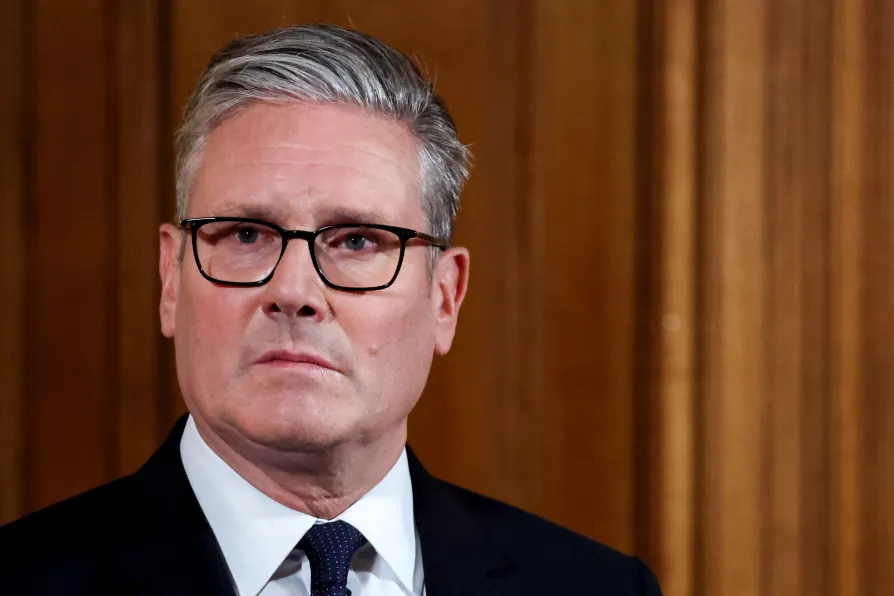
Keir Starmer’s obsequious overture to the CBI bosses’ club — “when business profits, we all do” — are obscene in the wake of what untrammelled corporate power has done to working-class people in this country in recent years.
His promises to “cut red tape and barriers” for business are from the same songbook that set the scene for Grenfell and the “world-class financial services” sector he praised is behind our lopsided economy in which property speculation has taken the place of productive investment — as a consequence of which property developers wield such power over communities.
We cannot address the causes of Grenfell without a reckoning with the capitalist system behind them.
The Westminster set, of both main parties, prides itself on having seen off the challenge to that system mounted within the Labour Party from 2015.
In so doing, as with all the major crises looming over us — climate change, Covid-19, inequality — it proves it is part of the problem and no part of the solution.

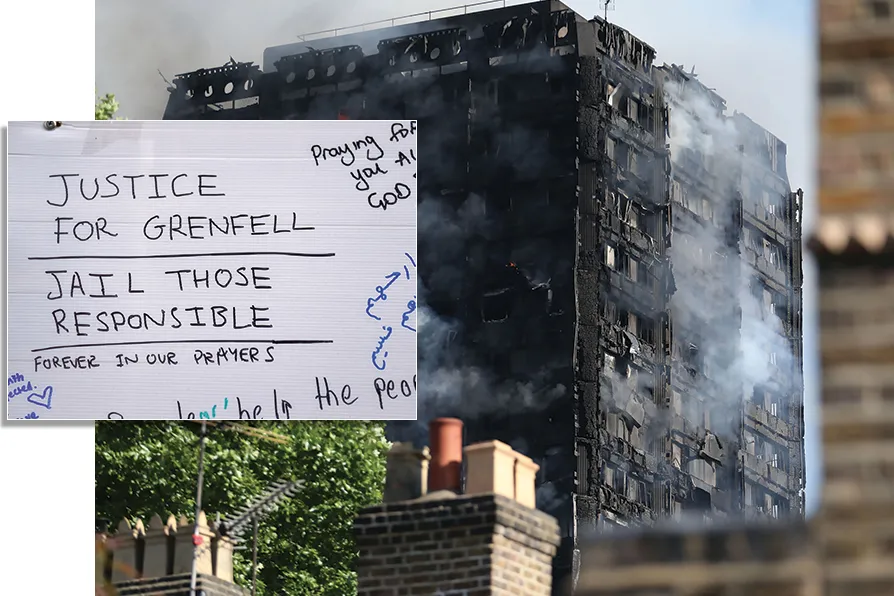
YVETTE WILLIAMS and JOE DELANEY dissect the institutional dawdling that rubbed salt into the Grenfell open wounds prolonging the agony of survivors

Four decades on, the Wapping dispute stands as both a heroic act of resistance and a decisive moment in the long campaign to break trade union power. Lord JOHN HENDY KC looks back on the events of 1986
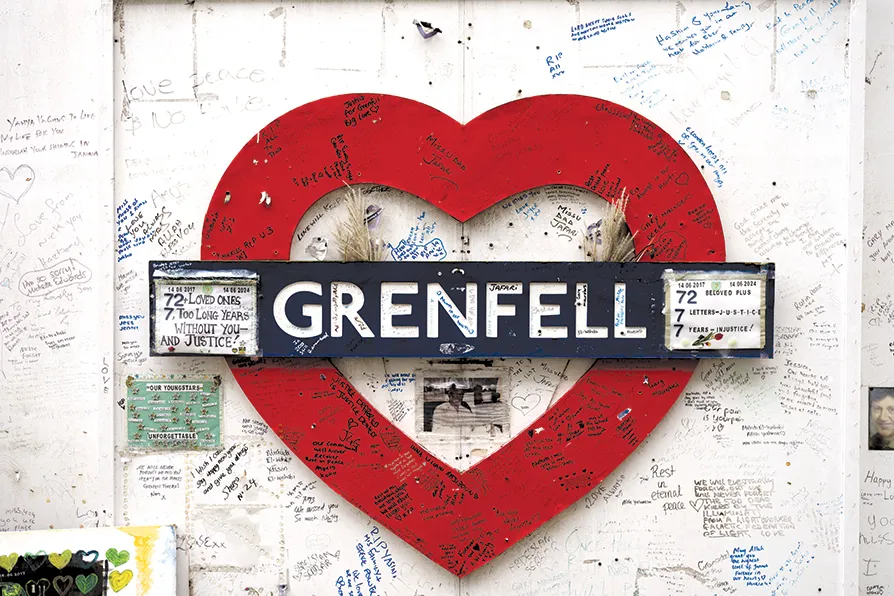
As we approach the half-anniversary of the Grenfell tragedy, the community gathers to remember loved ones while grappling with mixed emotions surrounding the ongoing deconstruction of the tower and the hopeful plans for a memorial, writes EMMA DENT COAD
Deep disillusionment with the Westminster cross-party consensus means rupture with the status quo is on the cards – bringing not only opportunities but also dangers, says NICK WRIGHT