DAVID YEARSLEY is fascinated by the account of four composers who transformed their experiences of the second world war and the Holocaust into deeply moving works of art


 Latest editorial
Will the real John Ball please stand up
PAUL SIMON recommends is an immensely propulsive read, undergirded by rigorous but not elitist scholarship
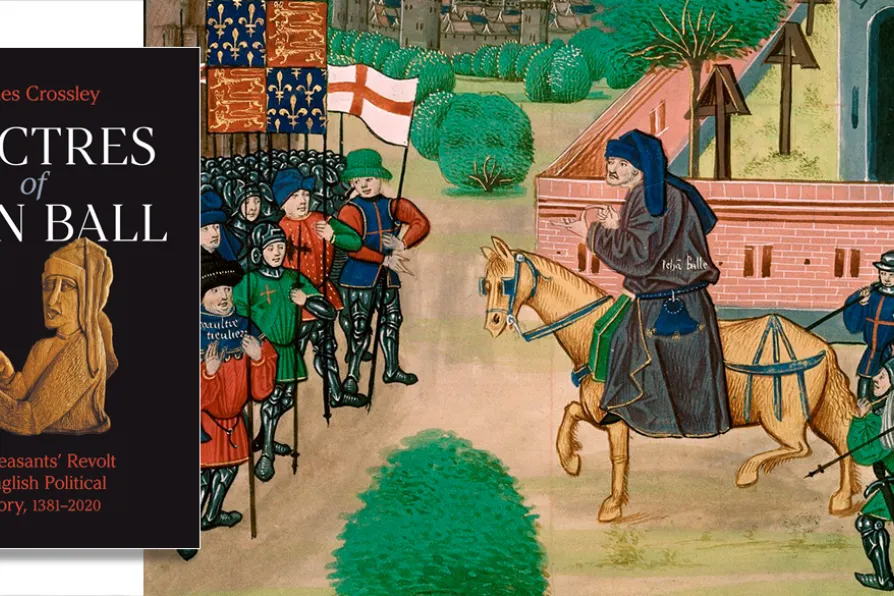 VISIONARY: An illustration of the priest John Ball ("Jehã Balle") on a horse encouraging Wat Tyler's rebels ("Waultre le tieulier") of 1381
[from a c1470 manuscript of Jean Froissart's Chronicles/public domain]
VISIONARY: An illustration of the priest John Ball ("Jehã Balle") on a horse encouraging Wat Tyler's rebels ("Waultre le tieulier") of 1381
[from a c1470 manuscript of Jean Froissart's Chronicles/public domain]
PETER MASON thrills to the sound of south London-born Yussef Dayes, and the galaxy of musicians drawn into his orbit
From post-human revolution in Puerto Rico to trans poetics and queer mythmaking, these three books that imagine new ways of being together
JAMIE BRITTON recommends that we all buy at least two copies of a remarkable book of poems
Re-releases from Iain Matthews, Quicksilver Messenger Service, and The Charlie Daniels Band
JAMIE BRITTON recommends that we all buy at least two copies of a remarkable book of poems


Spectres of John Ball: The Peasants’ Revolt in English Political History, 1381-2020
by James G Crossley
Equinox Publishing Ltd £25.51
“WHEN Adam delved and Eve span, who was then the gentleman?” There are likely to be few readers of this paper who aren’t aware of this robustly resonant phrase attributed to John Ball, that has blasted its way through the years since 1381 like a mighty siege weapon.
I say attributed since, as Spectres of John Ball postulates, the phrase may well have been constructed by one of the many Establishment chroniclers keen to demonise the itinerant priest and to stifle his future influence.
Professor James Crossley, who is a director at the gloriously named Centre for the Critical Study of Apocalyptic and Millenarian Movements, devotes his opening chapter to narrowing down the few unambiguous facts about John Ball and the context of the so-called Peasants’ Revolt, or Uprising as the author prefers.

Similar stories
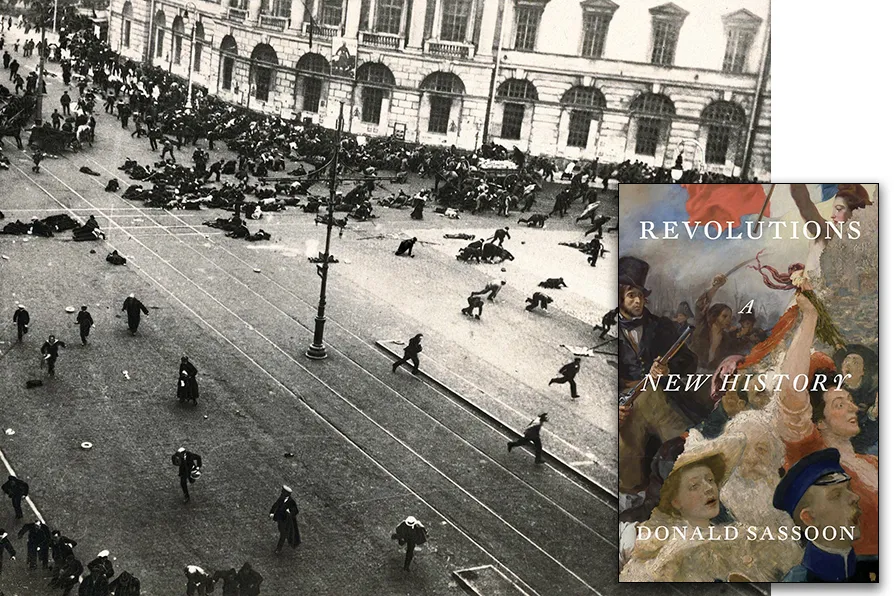
HENRY BELL follows the lineage of revolutions, from the English to the Chinese, and asks where revolutionary politics exists today
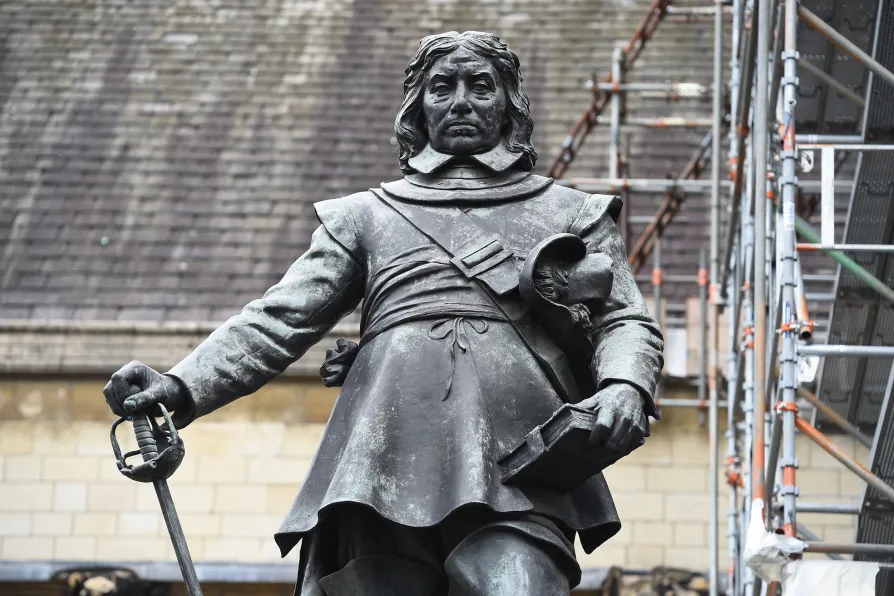
The selection, analysis and interpretation of historical ‘facts’ always takes place within a paradigm, a model of how the world works. That’s why history is always a battleground, declares the Marx Memorial Library
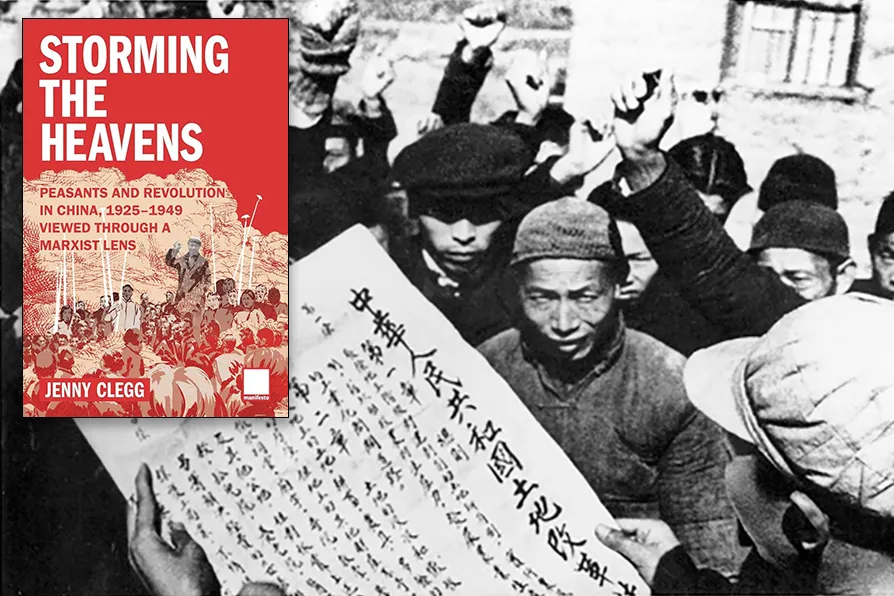
BEN CHACKO welcomes a masterful analysis that puts class struggle back at the heart of our understanding of China’s revolution
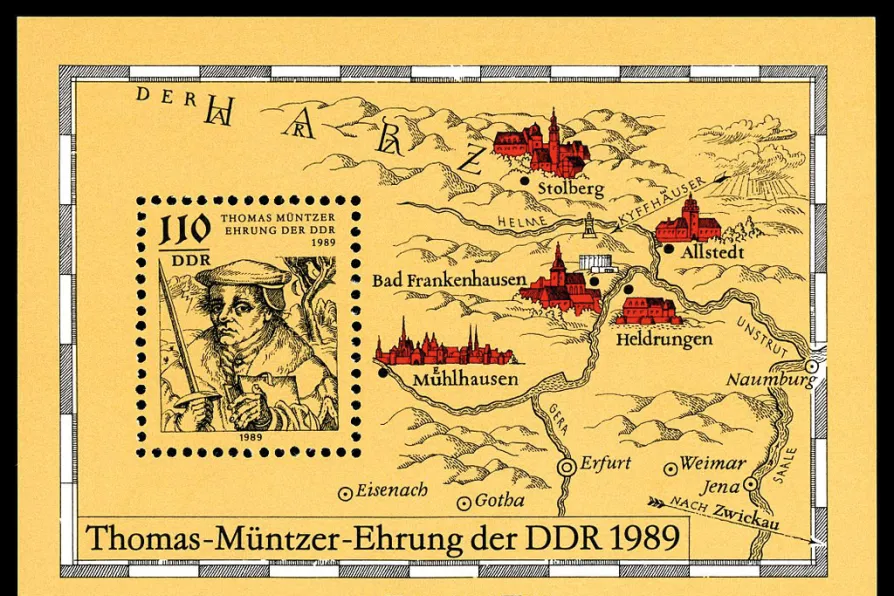
NICK MATTHEWS recalls how the ideals of socialism and the holding of goods in common have an older provenance than you might think