ANGUS REID, ANDY HEDGECOCK and MARIA DUARTE review On The Sea, A Useful Ghost, Brunello: The Gracious Visionary, and Pinocchio Unstrung


 Latest editorial

Bare bones of a culture under threat
Animal remains and cooking implements excavated in what was Islamic Granada reveal the history of the Catholic ‘reconquest’ of Spain in the 15th century
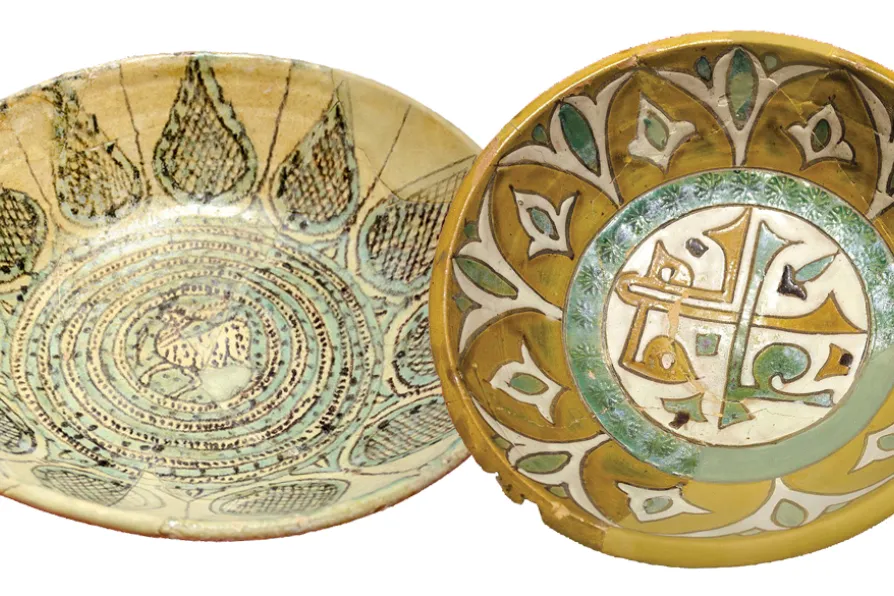 DECORATIVE: Andalusian Muslim ataifores, late 11th century. The epigram on the right one means ‘health’
[Angel M Felicisimo/Creative Commons]
DECORATIVE: Andalusian Muslim ataifores, late 11th century. The epigram on the right one means ‘health’
[Angel M Felicisimo/Creative Commons]
RON JACOBS enjoys a great tale, told by a US communist, of the lives of working-class New Yorkers
BRENT CUTLER searches a new history of contemporary Iran for an understanding of the Islamic Republic, finding both interesting detail and glaring omissions
MARIA DUARTE recommends the true story of the remarkable woman who sued Donald Trump for sexual assault not once, but twice
KENNY MacASKILL is disappointed by a polemical, rather than factual, account of the Lone Star State and its political path since the civil war
PAUL DONOVAN is fascinated by the lives of Charles and Mary Bagot, and the insight this biography shines on the morals of pre-Victorian society
GORDON PARSONS appreciates fine performances and a feel for ambiguity, but misses the music of the dialogue


GRANADA, in southern Spain’s Andalusia region, was the final remnant of Islamic Iberia known as al-Andalus — a territory that once stretched across most of Spain and Portugal. In 1492, the city fell to the Catholic conquest.
In the aftermath, native Andalusians, who were Muslims, were permitted to continue practising their religion. But after a decade of increasingly hostile religious policing from the new Catholic regime, practising Islamic traditions and rituals was outlawed.
But recent archaeological excavations in Granada have uncovered evidence of Muslim food practices continuing in secret for decades after the conquest.

Similar stories
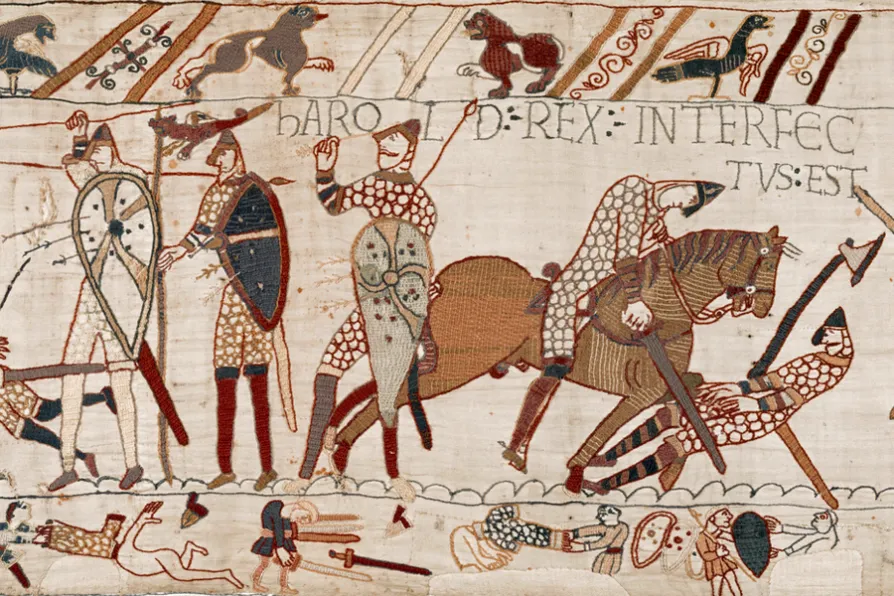
STEPHANIE BROWN draws attention to the hidden labour of the female embroiderers, and how a 19th century replica made no such error
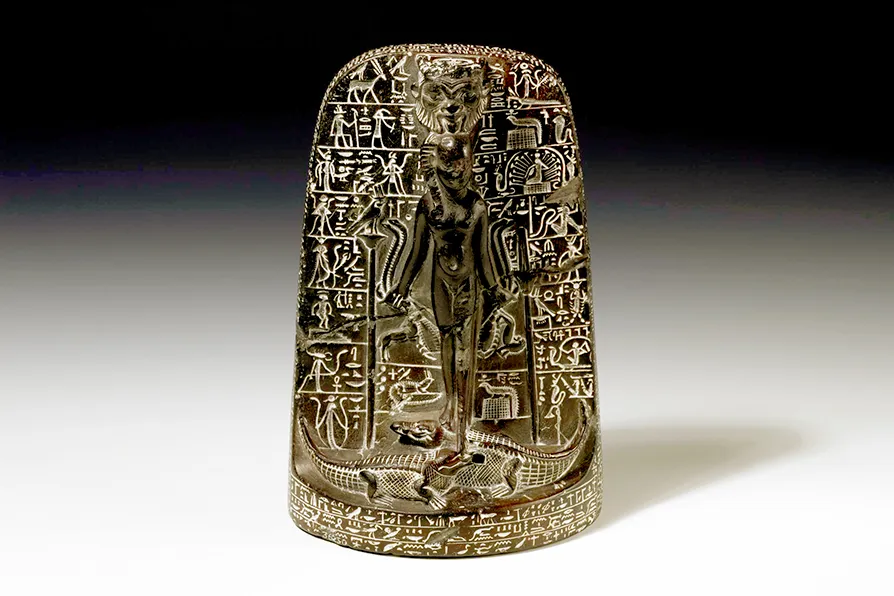
CHRISTIAN KNOBLAUCH is thrilled by the response of children to the presence of artefacts from the British Museum in their classrooms
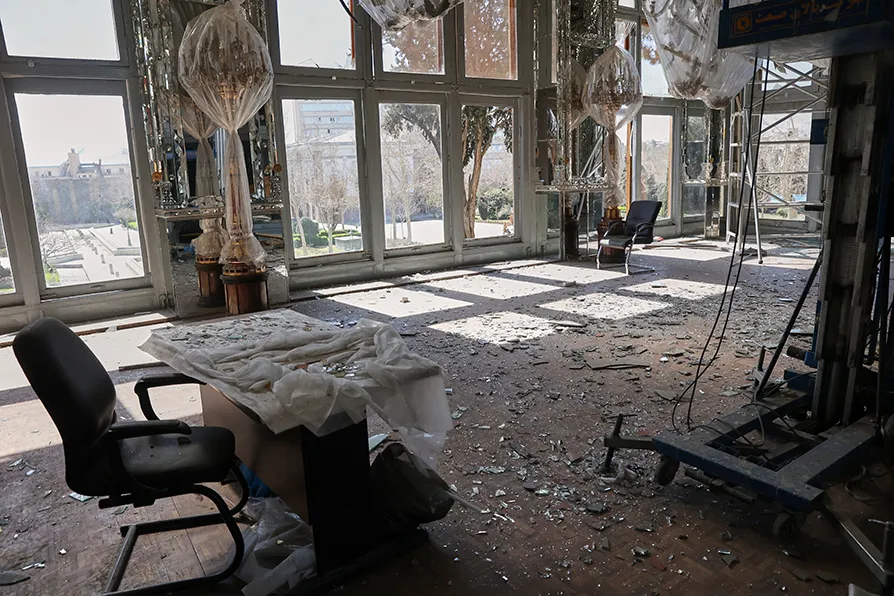
KATAYOUN SHAHANDEH surveys Iran’s cultural heritage and explains what has been damaged and what could be lost
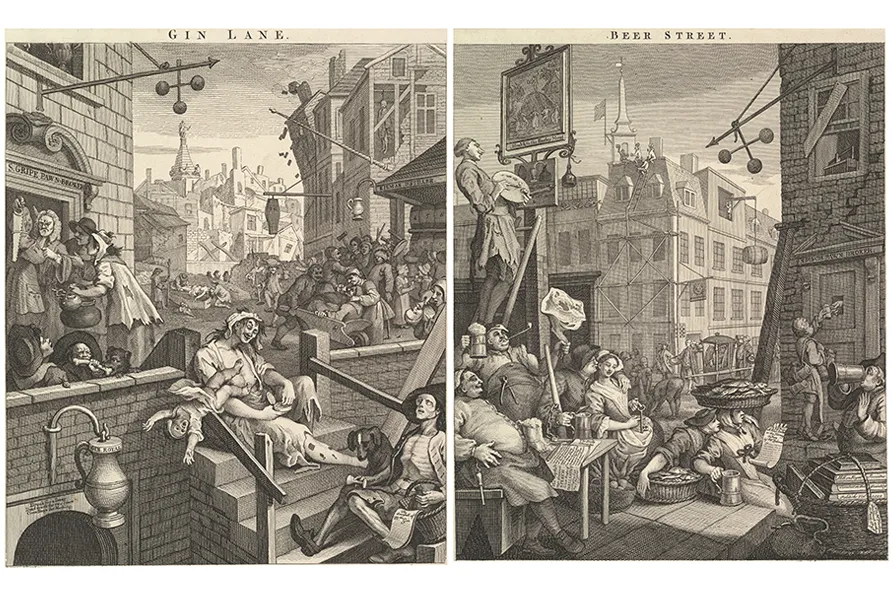
Gin Lane by William Hogarth is a critique of 18th-century London’s growing funeral trade, posits DAN O’BRIEN